
Wood Indoor Planters
Know how the material behaves, and choosing wood indoor planters gets simple. Makers listed in this material: Leaf Design, Outsunny, Scarthingwell, Leaf and Satchville.
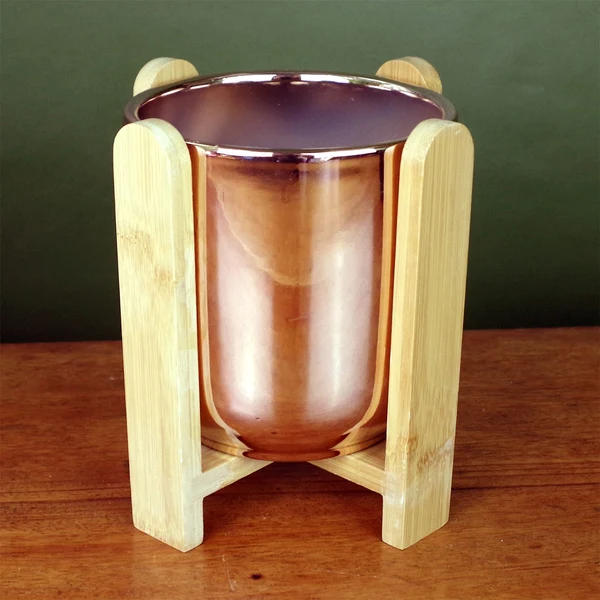
Botanik Gold Ceramic Planter with Bamboo Stand
£31.99 incl. VAT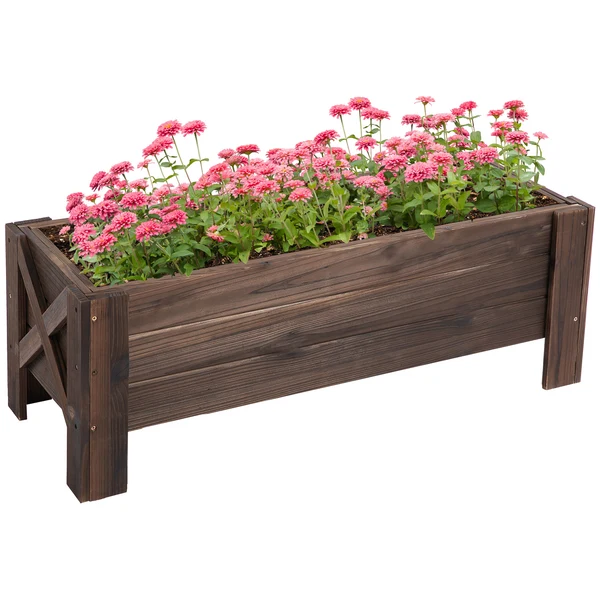
58 L Carbonized Fir Wood Raised Garden Bed Planter
£166.99 incl. VAT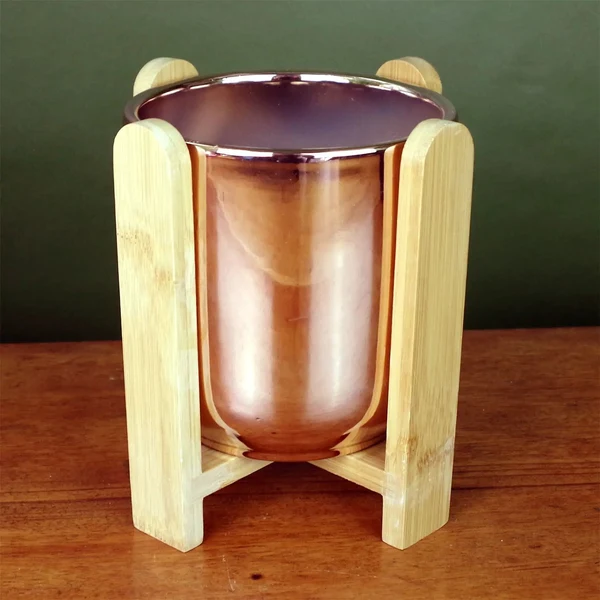
Botanik Gold Ceramic Planter with Bamboo Stand
£80.99 incl. VAT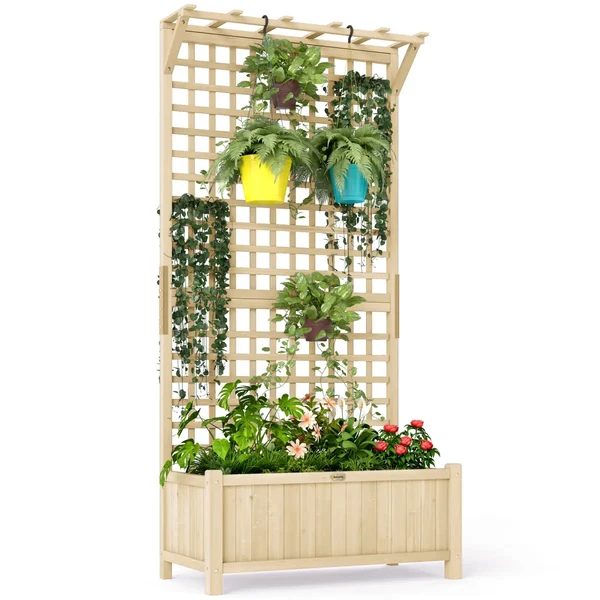
Wood Planter with Trellis and Roof
£223.99 incl. VAT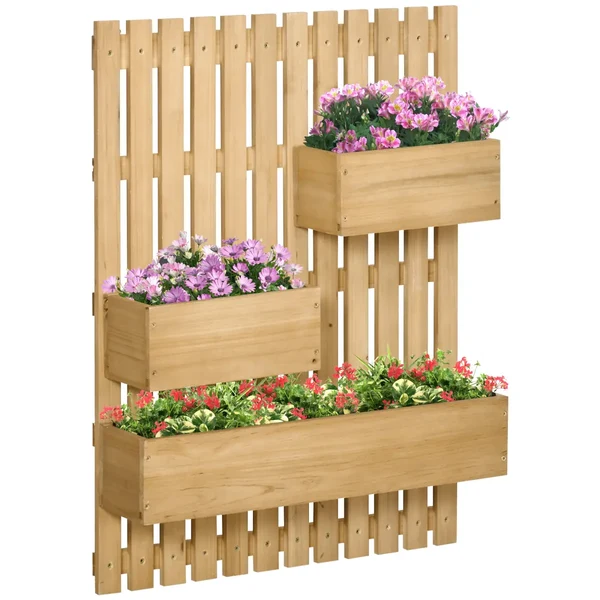
Wooden Garden Planters with Wall-Mounted Trellis
£130.99 incl. VAT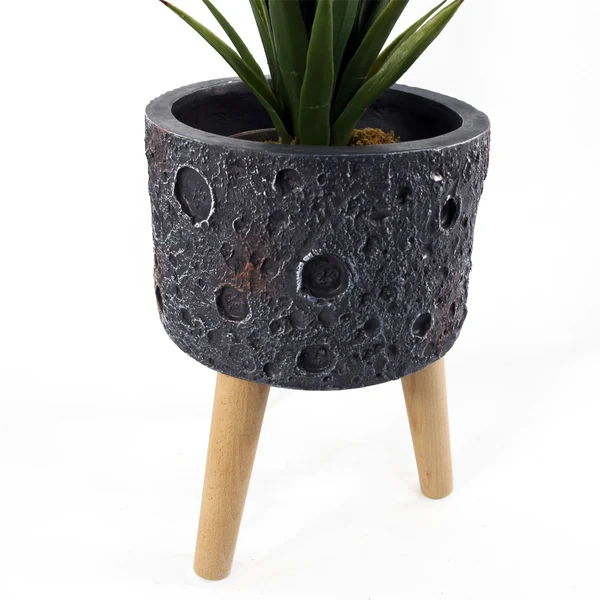
Moon Black Planter with Wooden Legs
£46.99 incl. VAT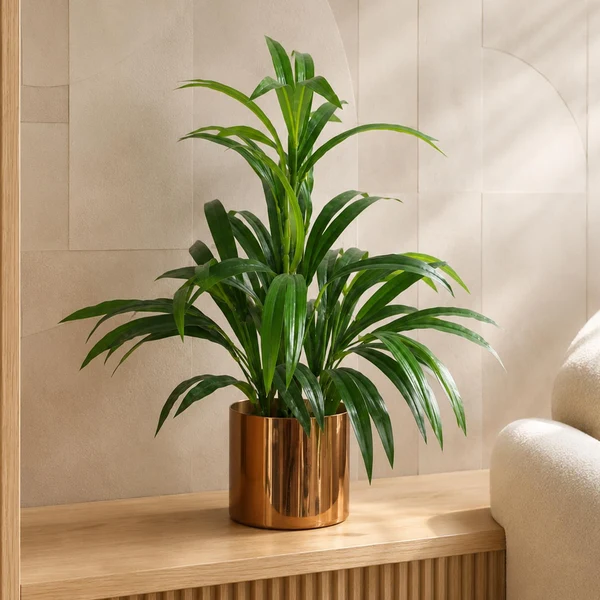
65 cm Artificial Bamboo Shrub, Brushed Copper Planter
£71.99 incl. VAT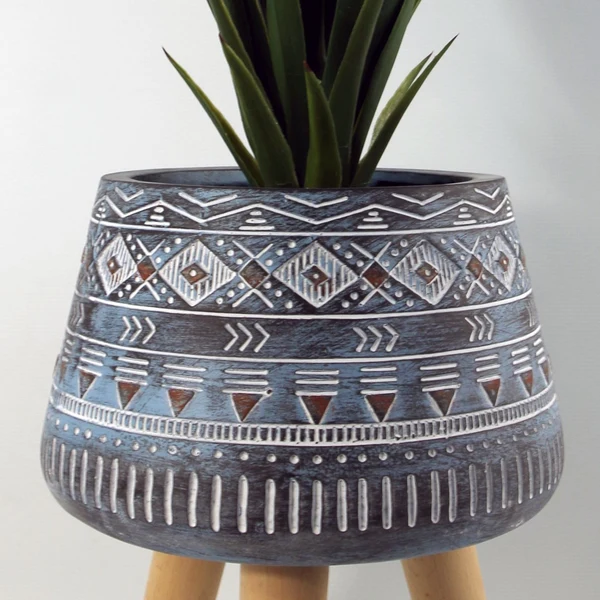
Large Blue Composite Planter with Wooden Legs
£52.99 incl. VAT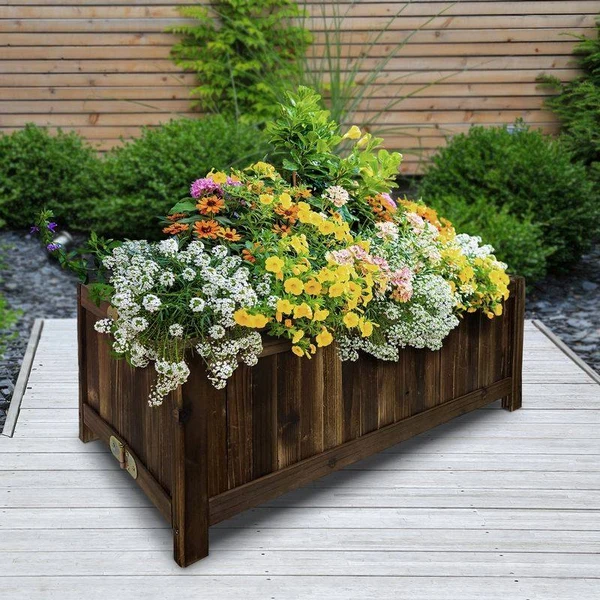
Traditional Wood Garden Planter, Brown Natural Finish
£86.99 incl. VAT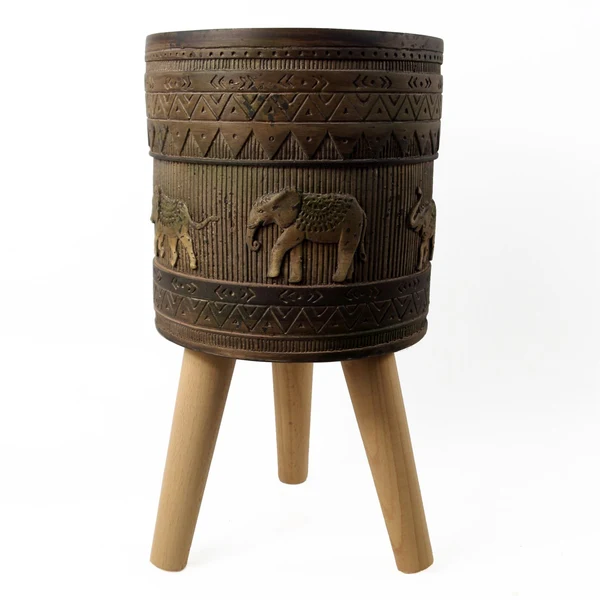
Fibreglass Composite Planter with Wooden Legs, 40 cm
£49.99 incl. VAT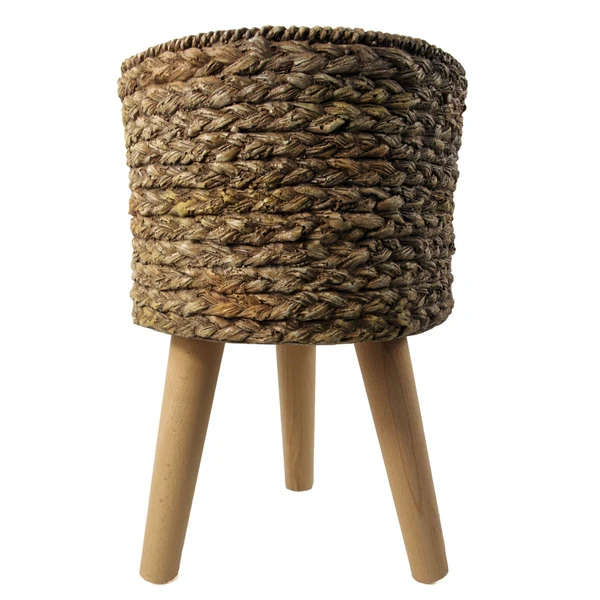
Woven Effect Planter with Wooden Legs, 39 x 26 cm
£43.99 incl. VAT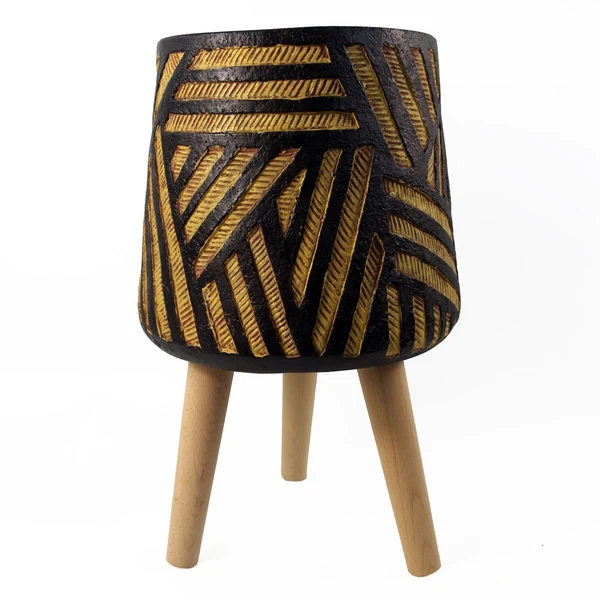
Bali Composite Planter with Wooden Legs, 45 x 28 cm
£52.99 incl. VAT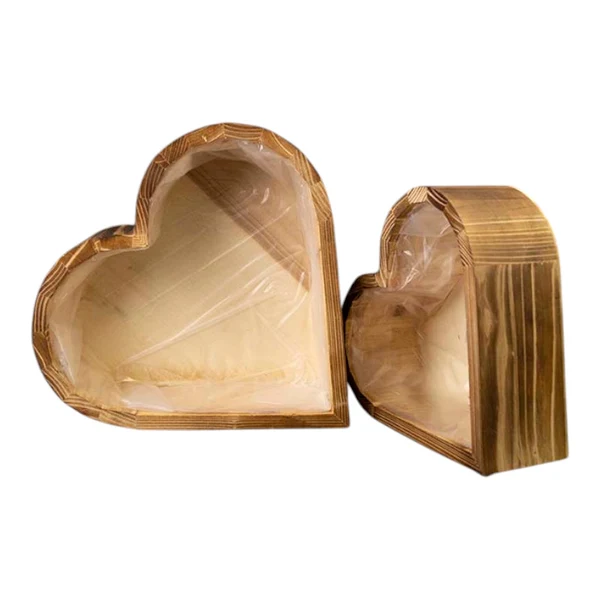
Heart-Shaped Wooden Planters, Set of Two
£31.99 incl. VAT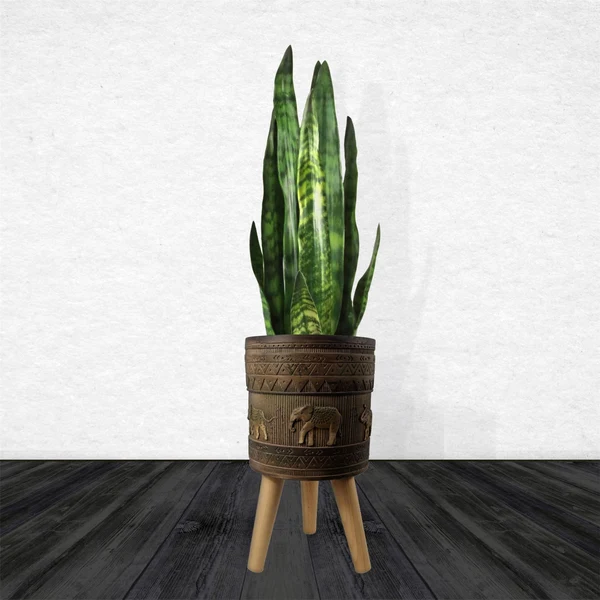
Elephant Composite Planter with Wooden Legs
£49.99 incl. VAT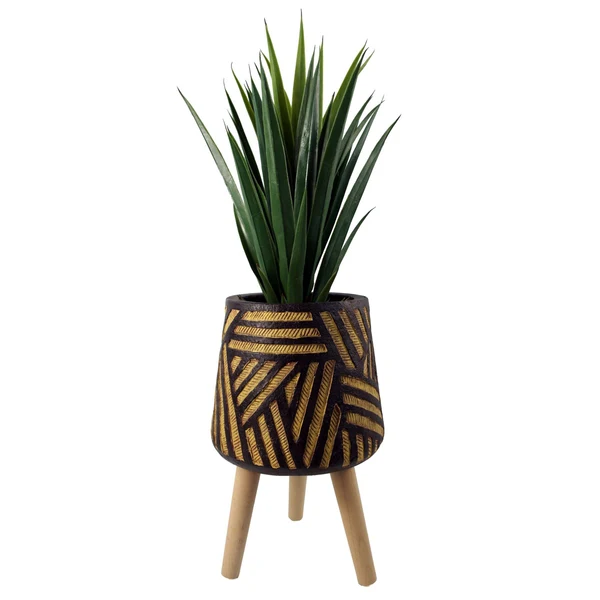
Large Composite Planter with Wooden Legs, 45 cm Tall
£52.99 incl. VAT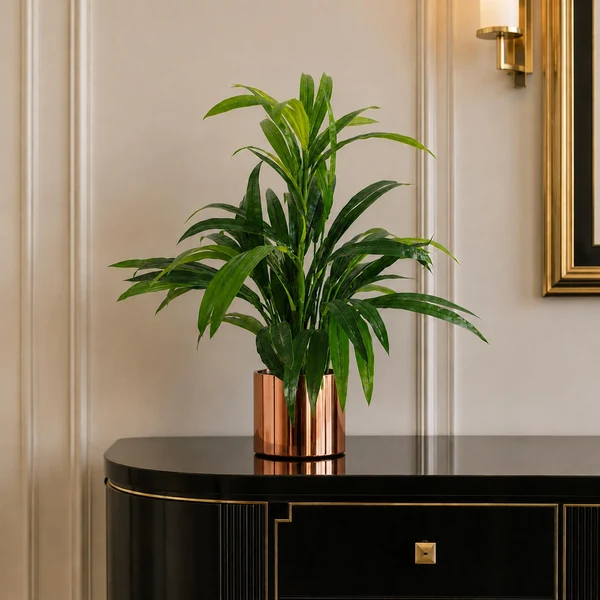
Artificial Bamboo Plant in Copper Planter, 65 cm
£76.99 incl. VAT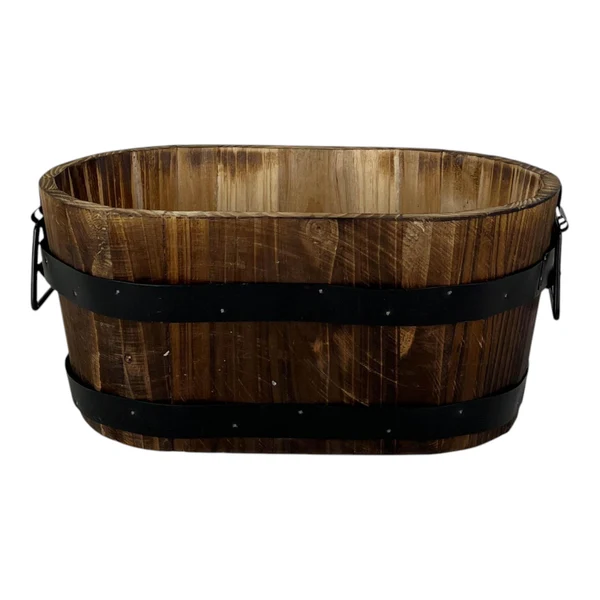
Wooden Oval Planter with Metal Bands and Handles
£31.99 incl. VAT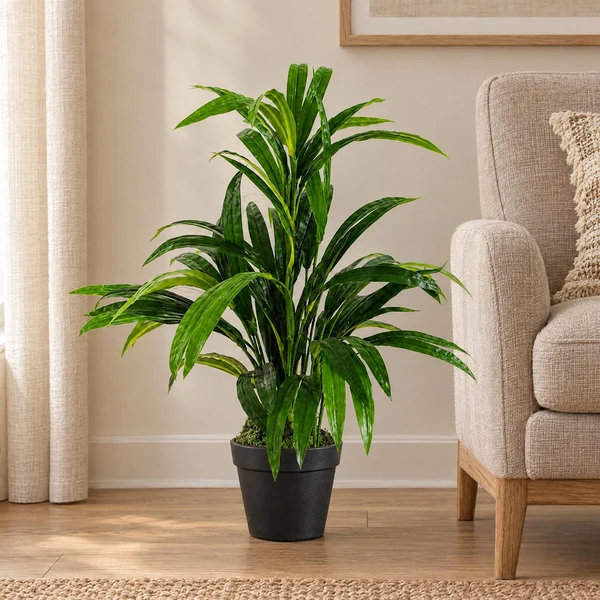
Artificial Bamboo Plant in Pot, 65 cm
£41.99 incl. VAT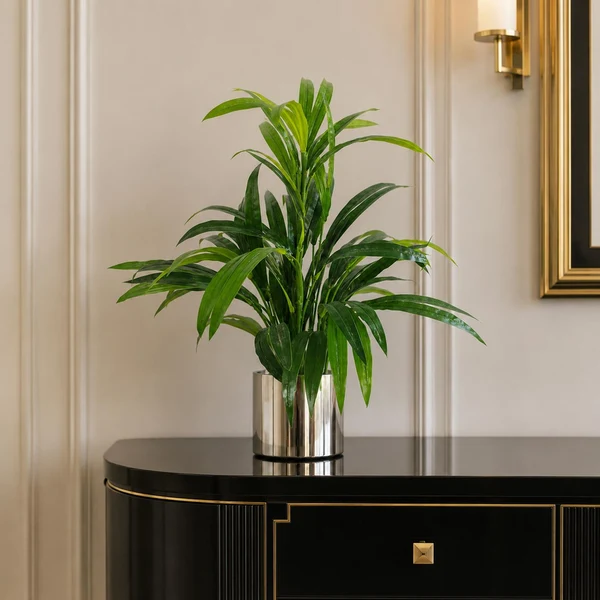
Artificial Bamboo Plant with Metal Planter, 65 cm
£76.99 incl. VAT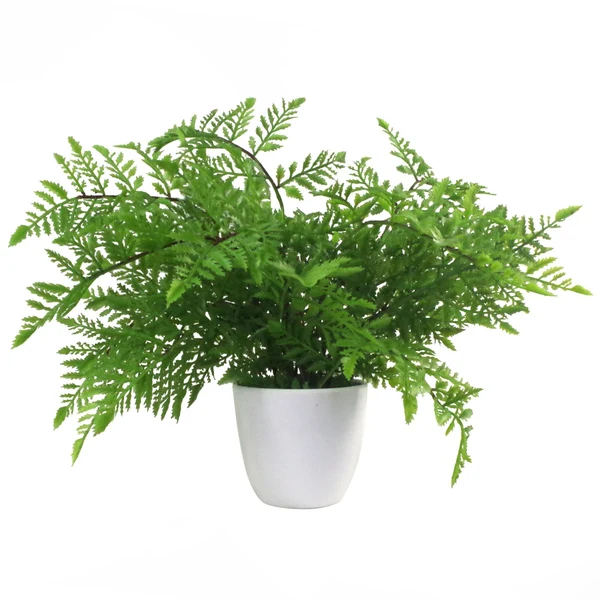
Artificial Southern Wood Fern in Pot, 30 cm
£29.99 incl. VAT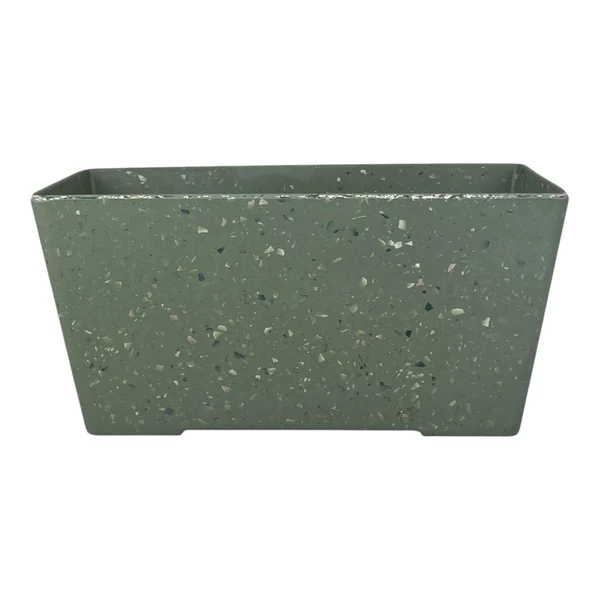
Sage Bamboo Terrazzo Windowsill Planter
£42.99 incl. VAT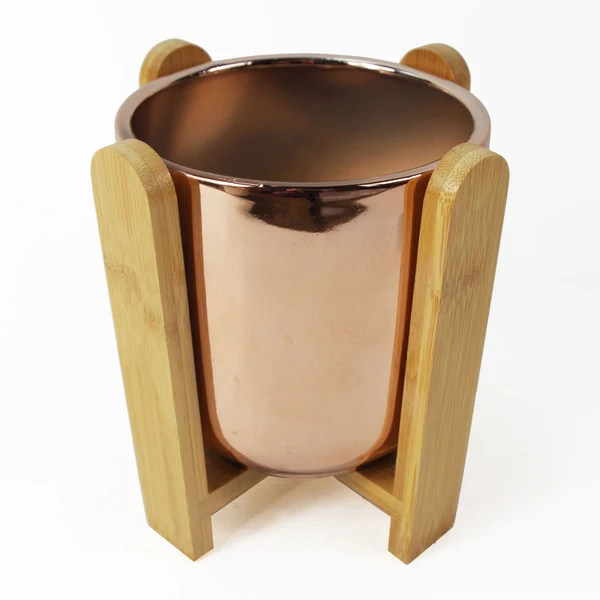
16 cm Gold Ceramic Planter with Bamboo Stand
£26.99 incl. VAT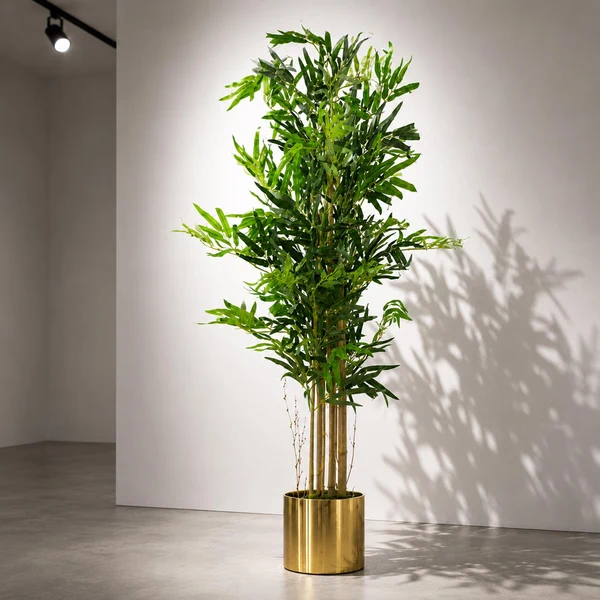
Artificial Bamboo Tree with Gold Metal Planter, 120 cm
£91.99 incl. VAT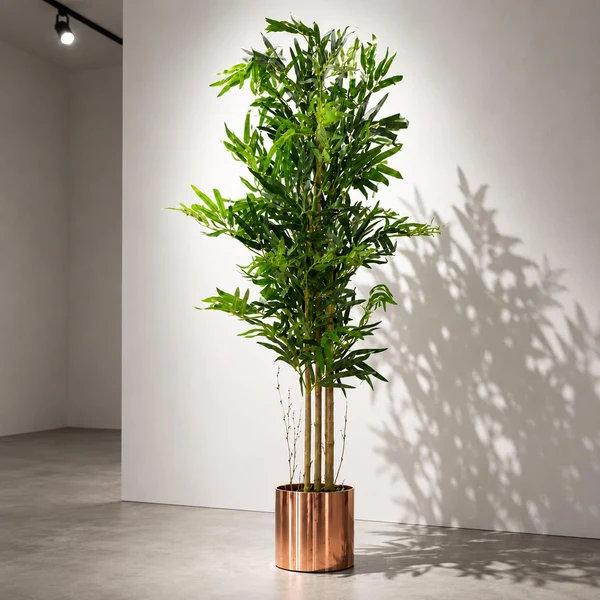
Artificial Bamboo Plant, 120 cm (4 ft), Metal Planter
£91.99 incl. VATQuestions to settle first
The shared trait narrows the field; the details still decide. Here is what to compare once you know the type you need.
How We Verify
Structured specifications verified on each product page.
Type
Available in Indoor Planters, Plant Pots, Artificial Houseplants and 1 more.
Brand
Available in Leaf, Outsunny, Hill Interiors and 16 more.
How to choose
- Think about texture and how the material feels to the touch.
- Look at the finish: sealed, coated, polished or raw surfaces behave differently.
- Consider how readily the material shows marks, scratches or creases.
- Check exactly what the material is, including any blend, coating or finish.
Frequently asked questions
Why choose wood indoor planters?
People choose wood indoor planters for the look, feel and care routine the material brings; compare those points with other materials to see whether it suits you.
How much care does this material need?
Care for wood indoor planters follows the material: check the care instructions for cleaning, drying and storage, and note any occasional care such as oiling or polishing.
Will this material show marks?
Some materials show marks, scratches or creases more readily than others; for wood indoor planters, a textured or matt finish tends to hide everyday marks better than a glossy one.
What should I know about natural variation in wood indoor planters?
Where the material is natural, slight differences in colour, grain or texture are normal in wood indoor planters and part of its character.
What does a blend mean for wood indoor planters?
A blend combines materials to balance properties such as feel, strength and care; for wood indoor planters, read the description to see what each component brings.